The Science Behind Spice Manufacturing: Turning Raw Ingredients into Culinary Gold
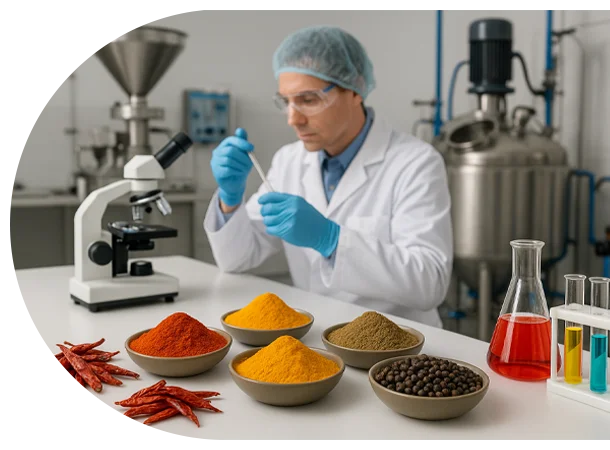
Introduction
When we think of spices, we often picture vibrant colors, aromatic profiles, and flavorful additions to our favorite dishes. But behind the intense flavors and rich heritage of Indian spices lies an intricate and scientific manufacturing process that transforms raw agricultural ingredients into globally acclaimed culinary essentials.
At the heart of this transformation is Sheth Brothers, a legacy-driven Indian spice manufacturer and exporter renowned for precision, consistency, and quality.
From Farm to Factory: It Begins with Sourcing
The journey begins with sourcing high-quality raw materials from trusted farms across India. India's diverse agro-climatic zones provide the perfect environment for cultivating a variety of spices—from chili and turmeric to cumin and coriander.
Sheth Brothers works closely with local farmers and procurement agents to ensure that only the best and most potent raw materials make it to their processing facility.
Advanced Manufacturing Unit: Where Tradition Meets Technology
Located in Gujarat, the Sheth Brothers manufacturing unit is a testament to modern processing excellence. Equipped with cutting-edge roasting machines, grinding units, and gyro separators, the facility ensures consistency in flavor, color, and aroma—batch after batch.
Here's where science truly begins to shine:
- Roasting Technology: Enhances aroma, reduces microbial load, and controls moisture to improve shelf life.
- Gyro Separator Cleaning: Ensures the final product is dust-free, enhancing visual appeal and safety.
- Grinding and Milling: Fine-tuned machines ensure precise granulation, whether it's powdered spices, whole spices, or custom chili flake cuts.
- Moisture Control: Achieved through roasting and drying techniques that align with client specifications.
Quality Control: Where Science Secures Safety
Food safety is paramount. The Sheth Brothers team performs rigorous lab testing for:
- Microbial Contaminants
- Heavy Metals and Aflatoxins
- Moisture Content
- Color and Oil Volatility
By adhering to international food safety standards such as FSSAI, HACCP, and ISO benchmarks, Sheth Brothers assures clients—both domestic and international—of world-class quality.
Customized for Global Tastes
One of Sheth Brothers' key strengths is product customization. Whether a client requires low-moisture chili flakes for bottling, aromatic spice blends, or specific cut sizes for herbs like oregano, the company's R&D and production teams deliver tailor-made solutions.
Sustainability and Hygiene
Sheth Brothers prioritizes eco-conscious manufacturing and hygienic handling. The unit follows Good Manufacturing Practices (GMP) with a dedicated hygiene zone and stainless-steel contact equipment to avoid contamination.
They've also implemented moisture-reducing roasting, which extends shelf life naturally—minimizing the need for synthetic preservatives.
Conclusion
At Sheth Brothers, spice manufacturing is more than just processing—it's culinary alchemy powered by science. By combining modern technology, stringent quality control, and customer-first innovation, they transform humble raw ingredients into flavorful building blocks of the world's cuisines.
Frequently Asked Questions
What happens to spices between harvesting and final packaging?
After harvesting, spices go through cleaning, drying, grinding, and blending before packaging. Each step affects flavor, aroma, and shelf life. Sheth Brothers carefully manages every stage to ensure maximum quality and consistency.
How does drying affect the quality of spices?
Drying reduces moisture, prevents microbial growth, and enhances shelf life. Improper drying can damage flavor. Sheth Brothers uses controlled drying methods to preserve the natural properties of spices.
Why is grinding important in spice manufacturing?
Grinding determines texture, flavor release, and usability. Fine grinding enhances aroma but requires precision. Sheth Brothers uses advanced grinding systems to maintain uniformity and retain essential oils.
How do spices retain their natural aroma during processing?
Aroma is preserved through controlled temperature, minimal exposure to air, and proper storage. Sheth Brothers uses optimized processing techniques to protect natural oils and flavors.
What role does moisture control play in spice quality?
Moisture affects shelf life, texture, and safety. Excess moisture can lead to spoilage. Sheth Brothers ensures proper moisture levels through drying and controlled storage environments.
How does blending create consistent spice products?
Blending ensures uniform taste, color, and strength across batches. Sheth Brothers uses precise blending technology to create consistent and high-quality spice mixes.
Why is temperature control important in spice processing?
High temperatures can destroy flavor compounds and nutrients. Controlled processing helps retain natural characteristics. Sheth Brothers maintains optimal temperatures during grinding and processing.
How does modern science improve traditional spice production?
Modern science introduces precision, hygiene, and consistency while preserving traditional flavors. Sheth Brothers combines scientific methods with industry expertise for better results.
What makes spice manufacturing a scientific process?
Spice manufacturing involves controlled variables like temperature, moisture, particle size, and hygiene. Sheth Brothers applies scientific principles at every stage to ensure premium quality.
How does Sheth Brothers turn raw spices into high-quality products?
Sheth Brothers integrates advanced machinery, scientific processing, and strict quality control to transform raw spices into consistent, flavorful, and safe products suitable for global markets.
Looking for custom spice solutions? Contact Sheth Brothers and experience the science, safety, and soul of Indian spices.